 English
 ภาษาไทย

Languages

How international school Thailand supports social and emotional learning
Share this content.
Submitted by siamnovellaadmin on Thu, 12/25/2025 - 17:14
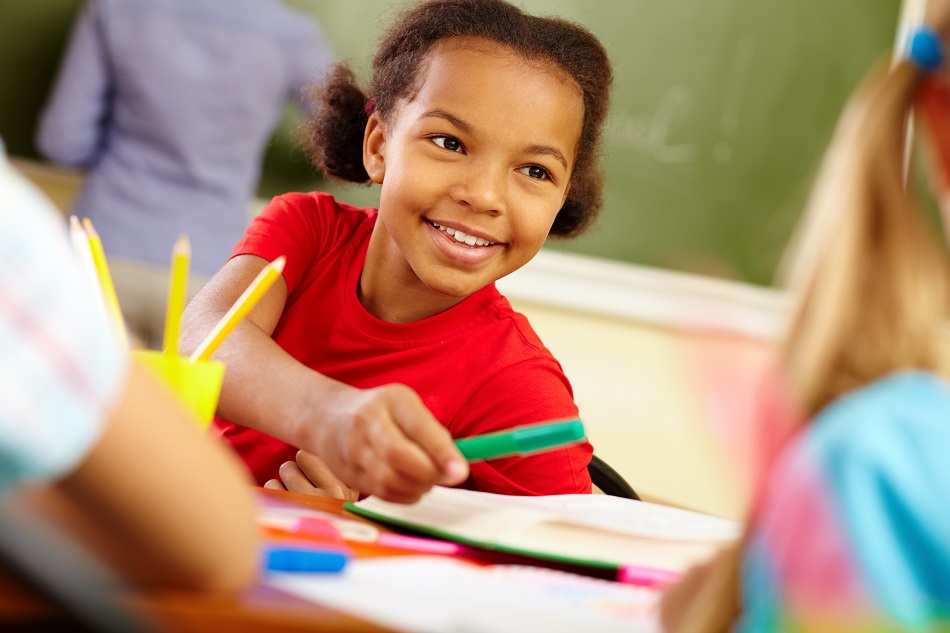
How well or poorly students learn these skills depends on the way lessons about them fit into their daily life in school, not whether they are a distinct program of instruction. At the International School Thailand setting, this kind of learning evolves daily, and in the classroom culture and support each student as an individual receives. Here, the emphasis is not just on academic results, but in helping students to understand themselves, relate to others and handle challenges in a balanced manner.
Everyday Teaching and Learning: Pulling Out the Social and Emotional Levers
In an international school Thailand, social and emotional learning is all about how lessons are delivered and how students communicate with each other. Group work, classroom discussion and shared projects prompt students to listen, express themselves clearly and respond to differing opinions. These opportunities support students’ self-esteem in conversation and emotional understanding of themselves and others.
Global curriculums for the international school Thailand, whether IB or the British or American programmes, emphasise reflection and critical thinking. Students are frequently posed questions about how they learn, what is challenging and how to get better. This process encourages the emotional growth and allows students to reach a balanced appreciation of what they can do.
School life relationships at the heart
Due to the importance of relationships in Thai international school, social and emotional learning is very much evident. Downscaled classes and regular interaction with teachers help students feel acknowledged and nurtured. Educators are often in a good position to observe shifts in behavior, motivation or mood, and to intervene early when students need guidance.
The world outside also affects the development of emotions. In an international school Thailand, students bring culture with them every day. Such interactions foster patience, receptiveness, and respect. Students in this environment learn, simply by trial and error, how to negotiate difference as something unremarkable: diversity becomes commonplace.
Classroom practice and emotional development
In a typical international school Thailand, teaching styles are usually centered on inquiry and teamwork. Kids are nurtured to question, to think of new ideas and tackle problems with other kids. This takes emotional intelligence, especially when points of view are different and work is intense.
Assessment also promotes social and emotional learning in international school Thailand. Regular feedback, self-assessment and goal-setting encourage learners to concentrate on growth not comparison. When errors are interpreted as part of the learning process, students tend to develop perseverance and confidence, diminishing unnecessary performance anxiety.
Learning beyond formal lessons
Learning happens in a more social and emotional way during life in an international school Thailand! Daily practices, rules of conduct and informal exchanges are the means by which pupils learn about responsibility and respect. The students then learn what it means to deal with conflict, take responsibility for one’s behavior, and how their actions impact others.
Problems do come up, but they are frequently solved by talking and thinking them out. Students are led to contemplate what happened and how they — or situations like it — might be addressed differently in the future. These instances nurture the growing of self-control and emotional intelligence.
Well-being and student support
Student welfare is an integral part of the framework of a boarding school in Thailand. Pastoral care services, school counselors and regular check-ins offer students assistance when it’s needed. Students are more willing to open up about academic or personal issues when they know help is within reach.
An international school Thailand is also aware of the stresses that may accompany high academic standards. Advice about balance, managing stress and emotional well-being encourages students to develop coping skills that are not only good for learning but also have long-term benefits.
Preparing students for life beyond school
The interpersonal and emotional capacities you build in an international school thailand will be useful for life. There is an increasing recognition in universities and employers of the need for people who can work together, roll with the punches, rise or go round obstacles. Not only is emotional intelligence the foundation of all success in life, which it is, but it’s also what challenges young people these days.
By integrating social and emotional learning throughout the day, international school Thailand teaches students in a holistic manner. The learning of academia, emotional sensitivity and social understanding bloom interrelatedly in a manner that seems unforced, seamless and closely attuned to the texture of life.


LATEST BLOGS

Post date: 06/04/2026 - 16:44
Post date: 04/01/2026 - 15:22
Post date: 01/14/2026 - 14:33
Post date: 12/25/2025 - 17:14

Post date: 10/27/2025 - 10:56


Post date: 07/22/2025 - 18:05